
IRS Code Section 125 builds a simple tax savings structure for workplace benefits. It explains how employees save money through pre-tax choices and flexible benefit options. This system works through a cafeteria-style benefit setup inside companies.
Many employers use IRS Code Section 125 to reduce payroll taxes and improve employee satisfaction. It also connects with IRS pre-tax benefit plan structures that lower taxable income for workers. Businesses like Section 125 Plans use this model to support better health and financial programs for teams.
This framework helps create smart Section 125 tax advantages for both sides. Employers reduce tax load while employees enjoy more take-home pay. That balance makes this topic important for modern workplaces.
What is IRS Code Section 125?
IRS Code Section 125 refers to a tax rule under Internal Revenue Code Section 125. It allows employees to choose benefits before taxes are applied. This structure creates flexible saving options inside workplaces.
Under this rule, employees pick benefits like insurance or medical plans. Money gets deducted before tax calculation starts. That simple step reduces taxable income instantly.

Section 125 Plans uses this structure to design better health benefit programs for employees. This helps teams access improved coverage while saving money. The system stays legal under irs approved benefit plans guidelines.
Employers benefit because payroll taxes reduce overall cost. Employees benefit because their take-home pay increases. This creates balanced workplace value. The rule supports modern compensation planning. It fits both small and large organizations. That flexibility makes it widely used today.
Start Your Tax Saving Benefits Plan Today
Employer Section 125 Plan Structure
An employer section 125 plan allows companies to build flexible benefit systems. Employees choose from available benefits before the tax deduction happens. This improves satisfaction and financial planning.
The structure supports multiple benefit types like insurance, dental, and vision plans. Each selection reduces the taxable salary amount. That creates strong savings over time.
Section 125 Plans applies this model to strengthen employee engagement programs. It improves retention and financial wellness inside teams. Employers also gain employer benefits of a section 125 plan through tax savings.
Companies often design plans based on workforce needs. That makes benefit systems more practical and useful. Employers also reduce payroll tax burden significantly. This setup supports compliance with federal tax rules. It also improves HR strategy across industries. Many companies now include cafeteria plans in hiring packages.
IRS Pre-Tax Benefit Plan Explained
An IRS pre-tax benefit plan allows employees to pay for benefits before taxes apply. This reduces taxable income and increases net pay. The process stays simple and automatic. Employees can choose medical or dependent care options. Each selection lowers the salary used for tax calculation. That creates great financial improvement over time.
Section 125 Plans integrates this system into employee wellness programs. It ensures better financial security for teams. This improves workplace satisfaction levels. The structure also supports Section 125 deduction benefits during payroll processing. Employers calculate salary after benefit selection. That leads to accurate tax reporting.
Such plans help employees manage healthcare costs better. They also support long-term financial planning. Many organizations now rely on this structure for workforce stability.
Section 125 Tax Advantages and Benefits
Section 125 tax advantages help both employers and employees save money. Employees reduce taxable income through benefit selection. Employers reduce payroll tax contributions. This system improves workplace efficiency and financial planning. It also supports better employee retention rates. Companies see long-term cost control benefits.
Section 125 Plans uses these advantages to design strong benefit systems. It improves overall employee financial health. The structure aligns with cafeteria plan benefits offered across industries.
Employers also gain flexibility in benefit design. They can adjust plans based on workforce needs. That helps build a stronger workplace culture. This system connects directly with IRS Section 125 cafeteria plan rules. It ensures legal compliance and structured tax savings. Many organizations prefer this model for long-term planning.
Cafeteria Plan Benefits Overview
An IRS Section 125 cafeteria plan gives employees multiple benefit choices. They select what fits personal needs before tax calculation. This improves financial control and flexibility. The system supports healthcare, insurance, and dependent care benefits. Each option reduces the taxable income level. That leads to better salary management.
Section 125 Plans uses cafeteria structures to improve employee satisfaction. It ensures flexible benefit access across teams. This strengthens long-term engagement. Employers also experience employer benefits of a section 125 plan through reduced tax liability. That creates a strong financial balance within organizations.
These plans also connect with health benefit programs offered by companies. Employees gain better coverage options and savings. This structure supports modern workplace expectations.
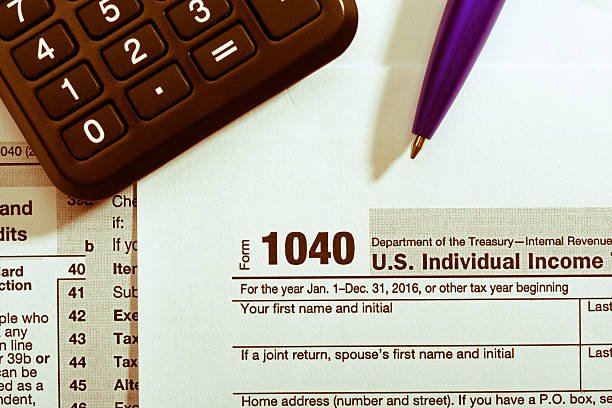
IRS Approved Benefit Plans in Practice
IRS-approved benefit plans ensure legal compliance and tax efficiency. These plans follow strict federal guidelines. They protect both employer and employee interests. Companies design benefits under internal revenue code section 125 rules. This ensures proper tax handling and reporting accuracy. It also reduces financial risk.
Section 125 Plans applies this structure to build reliable benefit systems. It improves trust and transparency in workplaces. Employees feel more secure with structured benefits. The system also supports Section 125 deduction processing during payroll. That ensures correct tax calculations every cycle. It simplifies HR management tasks.
These approved plans help companies stay compliant. They also improve financial planning accuracy. Many organizations now adopt these systems for stability.
Conclusion
IRS Code Section 125 creates strong tax-saving opportunities for modern workplaces. It helps employees save money and helps employers reduce tax burden. This balance improves overall workplace efficiency and satisfaction.
Companies like Section 125 Plans use these systems to build better benefit structures. It supports smarter financial planning and stronger employee engagement. The system stays simple, legal, and effective for long-term use.
Understanding IRS Code Section 125 helps companies design better compensation systems. It remains a key part of modern benefit planning across industries.
Explore Smarter Cafeteria Plan Solutions for Teams
FAQs
What is IRS Code Section 125 in simple workplace terms?
IRS Code Section 125 allows employees to choose benefits before taxes apply, which reduces taxable income and increases take-home pay. Employers also save payroll taxes through structured benefit selection. Section 125 Plans uses this system to support better financial wellness programs. It helps companies design flexible benefit options that improve employee satisfaction and long-term financial stability across different job roles.
How does an employer section 125 plan support companies
An employer section 125 plan helps companies reduce payroll taxes while offering flexible benefits to employees. Workers select insurance or healthcare options before tax deduction. Section 125 Plans applies this structure to improve workforce engagement and financial balance. It also strengthens the employer benefits of a section 125 plan by lowering operational costs and improving benefit efficiency across departments and employee groups.
Why is an IRS pre-tax benefit plan important for employees?
An IRS pre-tax benefit plan allows employees to pay for benefits before taxes, reducing taxable income and increasing net salary. This structure improves financial control and healthcare affordability. Section 125 Plans uses this approach to support health benefit programs that improve employee well-being. It also connects with section 125 deduction systems that simplify payroll processing and tax reporting accuracy.
What benefits come from an IRS Section 125 cafeteria plan?
An IRS Section 125 cafeteria plan provides flexible benefit choices before tax calculation. Employees select healthcare or insurance options based on personal needs. This reduces taxable income and improves savings. Section 125 Plans uses cafeteria plan benefits to strengthen employee satisfaction and retention. It also aligns with IRS-approved benefit plans that ensure compliance and financial efficiency in workplaces.